वेद से दर्शन तक स्थायित्व के युग में भारतीय ज्ञान (01.11.2025)
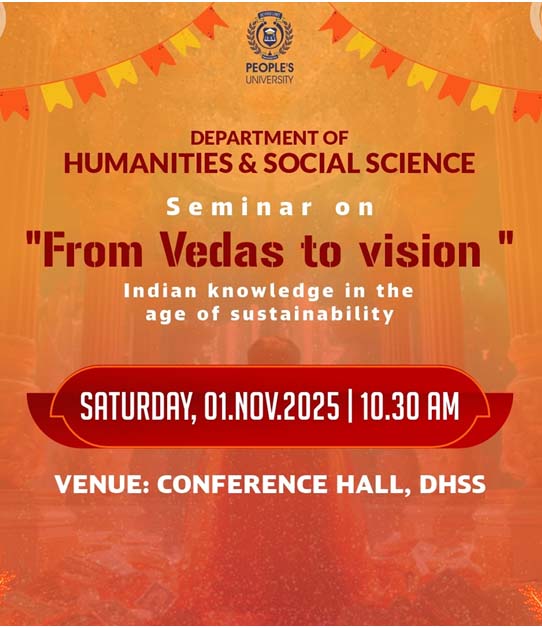
Date: 1st November 2025
Time: 10:30 AM
Venue: Seminar Hall, PILS Campus
Introduction:
The Department of Humanities and Social Sciences organized a seminar for the student on the theme “From Vedas to vision “Indian knowledge in the age of sustainability ”
On 1st November 2025 at 10:30 AM in the Seminar Hall , PILS.
The seminar aimed to explore the sustainable integration of India’s traditional knowledge systems within modern higher education frameworks. It focused on developing a balance between ancient wisdom and contemporary scientific thought, contributing to the holistic growth of education in India
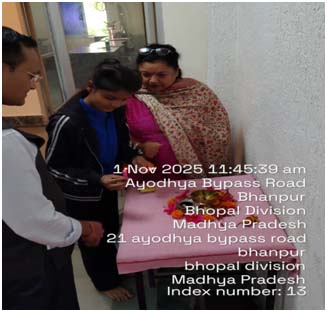
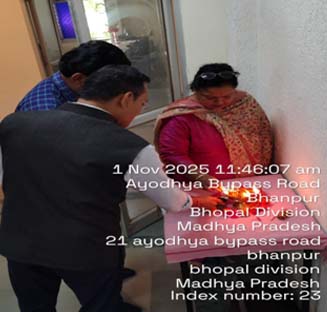
Lighting Of Lamp
Objectives of the Seminar
- To explore the relevance of Indian Knowledge System (IKS) in modern sustainable development.
- To promote understanding of eco-friendly and ethical practices rooted in Indian traditions.
- To encourage research and academic dialogue on IKS as a foundation for sustainable lifestyles.
- To integrate IKS perspectives into educational and policy frameworks.
Sub-Themes
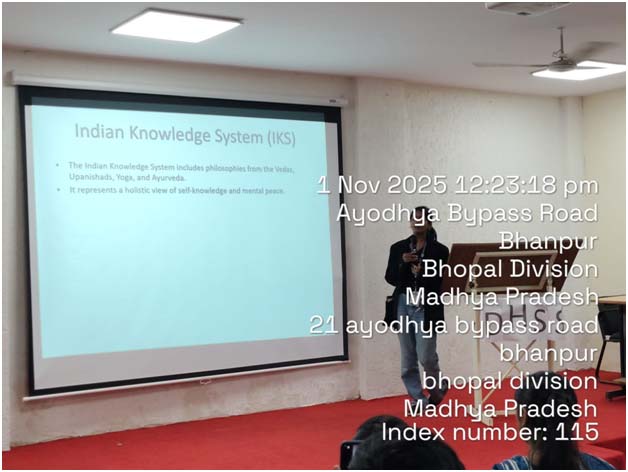
The seminar covered , sub-themes that were discussed through PowerPoint & paper presentations by speaker. The main Sub Themes of the seminar are:
- Indian Politics and Indian Knowledge System
- Glory of Indian literature in Ancient India
- Glory of Indian literature in Ancient India
Speakers of the Seminar
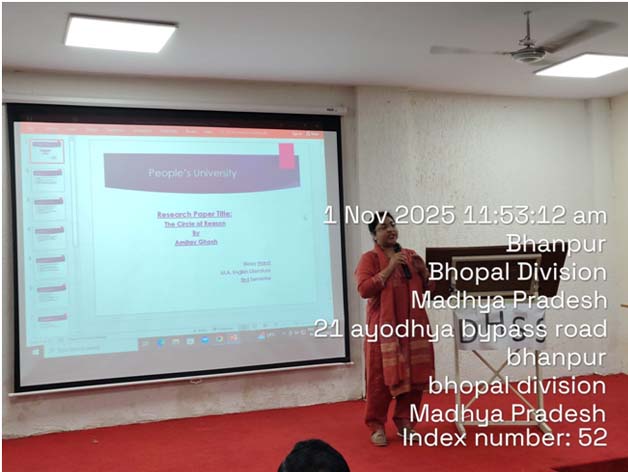
- Blessy Nand, M.A – English, who spoke on “Amitav Ghosh” Glory of Indian literature
- Ifrah Ahmed, M.A – English, who spoke on “Salman Rushdic” Midnight’s Children
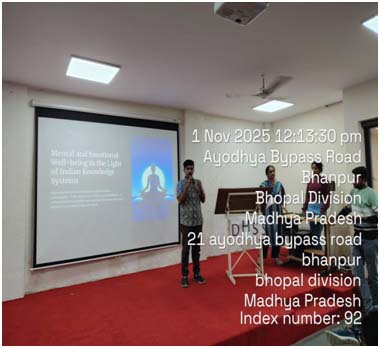
- Swayam Jain, M.A – English, who spoke on “Mental-and-Emotional-Well-being-in-the-Light-of-Indian-Knowledge-Systems
Guests and Dignitaries Dr. Shubham Saxena, as the Head of the Department, presided over the seminar and delivered the inaugural address, emphasizing the importance of promoting IKS and research in higher education and aligning traditional knowledge with sustainable academic growth. The seminar was graced byDr. Ravi Kant, Principal, PILS , Dr. Prince, Head, Department of Law.
Participation Total 50 Students from B.A. and M.A. courses, all programmes under the Department of Humanities and Social Sciences, participated in the event. 10 students presented paper on the topic “From Vedas to vision “Indian knowledge in the age of sustainability ,The seminar saw enthusiastic involvement from students of multiple disciplines who showed great interest .
Seminar Proceedings The event began with the lighting of the lamp by Dr. Ravi Kant , Principal, PILS with the students of DHSS & followed by a welcome address by Dr. Shubham Saxena, Head of the Department of Humanities and Social Sciences.Ms Lata rai keynote speech on the significance of sustainable education models inspired by
Indian Knowledge Systems. She discussed how traditional learning approaches can complement modern academic structures. Dr. Prince, Head of the Law Department, spoke on ethical and legal perspectives in IKS and its relevance to higher education policy. Next we have Paper presentation and seminar papers submission. Proper documentation, referencing, and formatting techniques
Sessions also covered topics such as Ayurveda’s sustainable health approaches, & Indian Knowledge System Participants actively engaged in question–answer sessions, sharing ideas for implementing IKS-based sustainability models in education, research, and daily life.
Outcomes of the Seminar
- Enhanced understanding of the Indian Knowledge System’s contribution to sustainable living.
- Encouragement for interdisciplinary research on IKS.
- Plans to incorporate IKS themes into academic curricula and environmental initiatives.
- Strengthened collaboration among students, faculty, and experts on sustainability projects.
Acknowledgement
The Department of Humanities and Social Sciences expresses sincere gratitude to all the guests, faculty members, and students for their participation .The seminar successfully bridged ancient wisdom with modern sustainability principles, reinforcing that the Indian Knowledge System offers holistic and ethical pathways toward a sustainable future. The event concluded with a vote of thanks to all speakers, participants, and organizers.