Today’s children are heavily dependent on smartphones. From studying to gaming, almost everything is done through the phone. Smartphone use offers several advantages; however, excessive and unsupervised usage also has negative consequences. Unsupervised/Unmonitored use of video games, social media and the internet can cause issues with a child’s mental health, their behaviors and overall wellbeing. Because of the negative impact that these types of use can have; it is even more important for us to understand digital wellbeing and to properly supervise children when they are using digital devices.
Why Online Gaming Is a Concern for Students
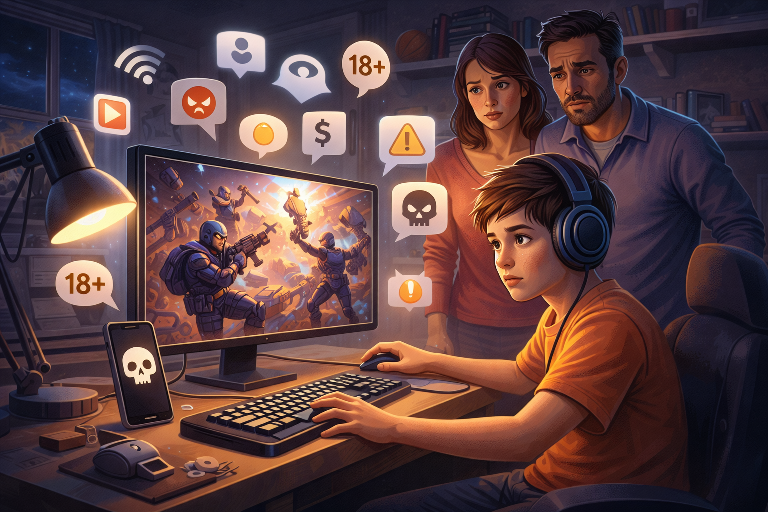
The design of online video games is focused on keeping players entertained for long periods of time by providing them with a reward system, levels to achieve, social interaction and most importantly, the development of a strong emotional attachment to the game. This development can impact student’s habits, which can then affect their academics and general mental well-being. These negative habits can include: too much time spent on screens; not sleeping enough; being unable to stay focused on schoolwork or homework; being angry or moody, exposure to inappropriate material online, being bullied or pressured by someone online and excessive amount of money spent on in app purchases.
As the prevalence of online gaming addiction among students continues to increase, there is an increasing level of concern. Initially playing basic games will eventually lead to students spending more and more time online and continue to negatively impact their everyday lives and academic success.
Ghaziabad Tragedy – A Wake-Up Call
A tragic incident was reported in the Loni region of Ghaziabad involving minor children and excessive engagement with an online game that included emotional interactions. According to media reports, prolonged exposure to such digital content raised serious concerns about the impact of unsupervised online activities on children’s well-being. The incident highlights the importance of parental guidance, balanced screen time, and responsible digital supervision to protect young minds from potential online risks.
Past Cases That Highlight Online Game Risks
This case is not isolated. Similar cases in the past have shown how dangerous online content can be.
One such example is the Blue Whale Challenge. This online phenomenon involved a series of tasks that led to harmful actions. It created fear worldwide and highlighted how vulnerable young minds can be manipulated.
Another example is PUBG addiction. Many students became addicted to PUBG, which led to poor academic performance, late night gaming, and emotional issues. This case made parents realize the need for monitoring.
In app purchase scams have also caused problems. Several families faced financial loss when children made expensive in app purchases without understanding the consequences.
Why Monitoring Online Games Matters Today
Online games can be harmless; there could be serious problems for your child if they spend excessive time playing these kinds of games. Monitoring them is simply an essential step to keeping them safe rather than means of restricting their ability to do so. Children without adult supervision may be at risk of developing depression, isolation from friends and family, exposure to inappropriate content, befriending unknown persons, getting addicted to gaming, losing interest in studies or difficulty concentrating and facing anxiety and/ or online harassment.
To prevent children from having access to harmful content and limit their gaming time, parents can use certain types of parental control software. Another responsibility of parents is to educate children on how to behave safely online.
Message to Parents: What You Must Do
Parents can play a key role in keeping their children safe in the digital world. Below are various ways for all parents to accomplish this.
- Check phone history regularly. Review browsing history, app usage, game time and chat messages to know what your child is doing online.
- Set time limits. Use parental control settings to limit screen time and prevent late night gaming.
- Disable in app purchases. Turn off purchases or require a password to avoid unexpected expenses.
- Talk openly. Discuss with your child about the games they play, who they chat with, and how they feel online.
- Encourage offline activities. Promote sports, reading, family time and outdoor play to balance their digital life.
People’s University Message
At People’s University, we think of education as being anything other than just being “in the classroom”, so for us safe digital learning and responsible technology use are also important. The recent Ghaziabad incident serves as a stark reminder that children need guidance and protection in cyberspace as much as they do what we call “real life” and therefore we encourage all parents, teachers and guardians to remain watchful and take necessary action to promote digital safety among students.
Together we can create an environment that will allow children to gain the rewards of technology while protecting them from potentially dangerous situations.